
Missing Routine
by Sarah Vergara
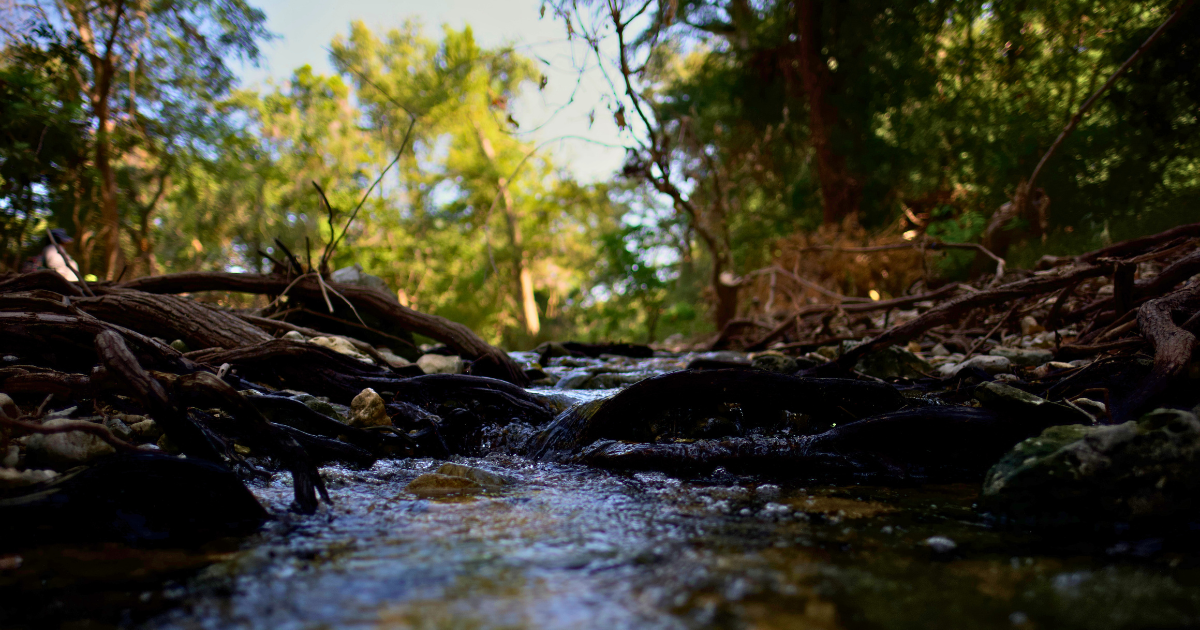
Working with people in nature can challenge, change, and heal you. When working with people in natural spaces, at some point, you start to just click. Maybe you start off not really liking the person. Maybe you disagree on scientific and political topics. Maybe we are randomly assigned to assist each other, and we lean on and challenge each other. Nature is often irregular, rough, and random. And so are we. When we take a step back and meet people where they are, that’s when the magic happens and the fun begins. Tools connect with earth, discoveries are made, and bonds form. Revealing your secrets and shocking truths makes things interesting. You realize that people are not so judgmental.
Sometimes we are simple creatures driven by forces of habit. We’re nostalgic for things we used to do and can no longer do, and for the people we can no longer do them with on a regular basis. We long for that trail crew experience, that one spot on the creek, a hidden hideout, to listen to nature, chat about world topics, and relieve our stress. When that place changes, or the adventure ends, we may experience intense sadness. Things in life are often moving and changing, and with abrupt shifts, nature brings new gifts to us that help us better understand the great unknown.
Hiking with metal beams, carving a piece of wood or metal into the ground, navigating tough terrain, injuries, and disturbed wasps. Digging space for a rescued tree, finding evidence of regrowth, deer browse, and freshly cut wood. Because of these experiences with people and nature, our knowledge expands, our love for people and the environment deepens, and we change. And when things abruptly change, we’re forced to adapt and deal with the challenging nature of missing routine.
Witnessing large-scale flood events can make us miss the routine of the river and riparian corridor we once knew. But rivers are always dynamic. Things may look drastically different, but a healthy riparian area can restore faster than an unhealthy one. Huge floods, even major ones, can bring new gifts: deposits and relocated soil that create new seed banks—slowly expanding, rechanneling, and meandering—to guide the stream into a healthy form. Some areas of the stream channel may undergo erosion, leading to destabilized stream banks. A little vegetative guidance and helping hands from deep-rooted grasses and sedges such as switchgrass and eastern gamagrass can help quickly stabilize weak areas, build the soil profile, and slow fast-moving water, guiding it to flow seamlessly with the softer bends of the stream channel and increasing sinuosity, or crookedness, of the entire stream channel. Trees and vines act as “nets” or “arms,” catching and holding water and debris momentarily, thereby reducing the force of floodwaters. Many trees and shrubs, even injured ones, will recover. Even the ones that don’t make it will become a new habitat for wildlife, valuable and beautiful in a different way. Maybe things don’t really die; they’re just simply transformed and are all around and below us. Maybe they’re resting, slowly regrowing, or helping something else recover and regrow.
But still, we miss the old routine and the scrapes and scars we got outside with old friends. Pieces of that experience will always remain with us. Only time and new experiences will allow healing and restoration. Nature finds her way back and forth and up and down, and so do we.
Here’s to more scrapes and scars in a new environment with old and new friends!